Biohazard Cleanup
Blood, sewage, sharps and other biohazards removed and disinfected by cleanup crews in protective gear.
Learn more →Ohio · Cuyahoga County
Need a biohazard cleanup company in Highland Heights, OH right now? Call (877) 812-4220. You get cleanup technicians who work discreetly on trauma scenes, suicide scenes, hoarder homes, sewage backups and drug residue in Cuyahoga County.
If anyone is in danger, call 911 first. For a suicide crisis, call or text 988.
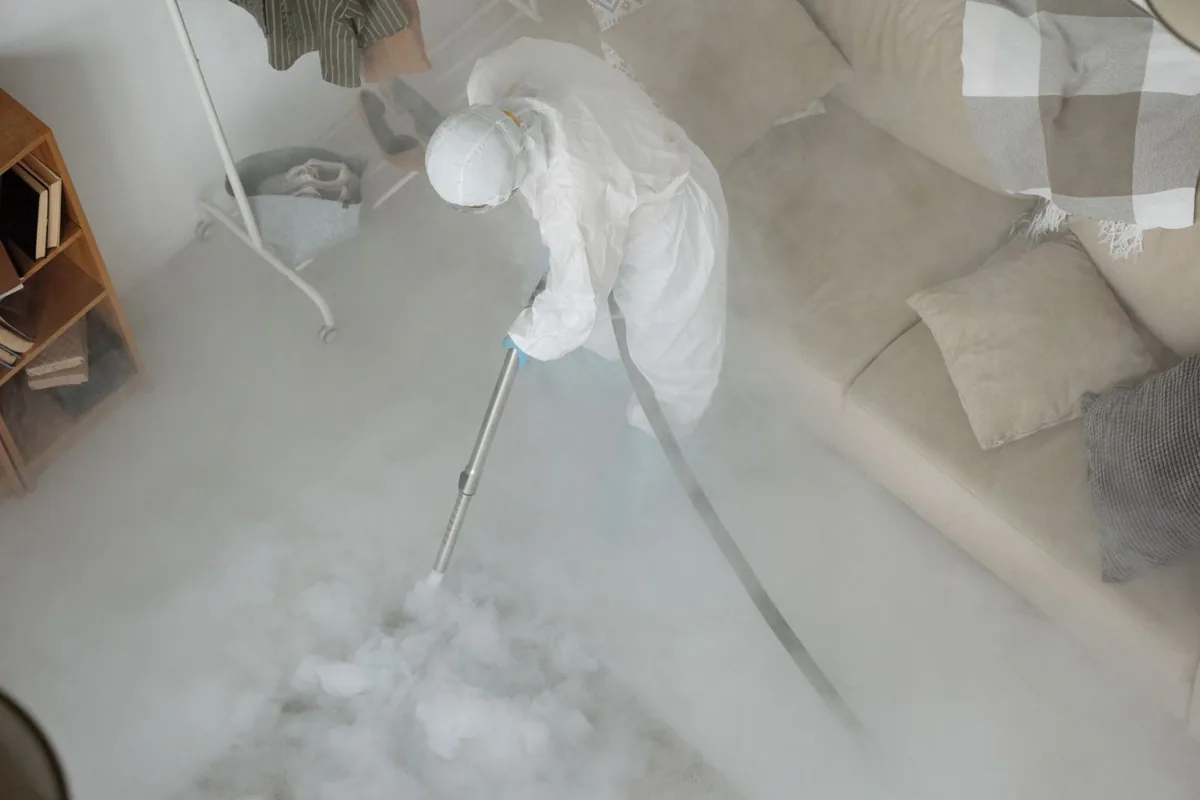
Bio cleanup covers more than crime scenes. It includes unattended deaths, suicides, accidents, hoarder houses, sewage backups and disease outbreaks. Whatever the cause, you can call Highland Heights Biohazard Cleanup Help in Highland Heights for houses, apartments, offices and vehicles.
Calls are answered day and night, and crews arrive in unmarked vehicles so the work stays private. The cleanup team seals off the area, removes what cannot be saved, disinfects what can and carries away the waste. Service covers Highland Heights and nearby communities such as Mayfield and Richmond Heights.
The census figure for older adults living alone in Cuyahoga County is 37%, above the Ohio average. When someone lives alone, a death can go unnoticed for days, and unattended death cleanup follows. Only about 49% of homes in Highland Heights were built before 1980, so most cleanups involve newer drywall and flooring, though fluids can still soak through to the subfloor.
Blood and bodily fluids can carry bloodborne pathogens, even after they dry. That is why biohazard cleaners follow OSHA's Bloodborne Pathogens Standard, 29 CFR 1910.1030, and put on gloves, respirators, boot covers and disposable suits before they enter the affected area.
The finish matters as much as the cleanup. After disinfection, HEPA air scrubbers run, odor equipment works on the room, and the crew checks every surface, with ATP testing available to confirm the result.
Every biohazard removal service below is available 24/7 to property owners, landlords and businesses in Highland Heights and the surrounding areas of Cuyahoga County.
Blood, sewage, sharps and other biohazards removed and disinfected by cleanup crews in protective gear.
Learn more →Cleanup after violent crimes, break-ins and assaults, using protective gear and EPA-registered disinfectants.
Learn more →Trauma and crime scene cleanup for homes, workplaces and vehicles, handled privately with protective gear.
Learn more →Respectful biohazard cleanup for homes and rentals after an unattended death.
Learn more →Compassionate cleaning after a loss, with keepsakes set aside and the room returned safe.
Learn more →Respectful homicide cleaning that removes blood, bodily fluids and odor after investigators release the scene.
Learn more →Blood in cars, vans and rideshare vehicles cleaned from seats, mats and panels, then disinfected.
Learn more →Soaked carpet, mattresses and furniture removed, and affected surfaces sanitized after a fluid release.
Learn more →Waste cleanup after neglect, illness or a long absence, handled privately and without judgment.
Learn more →Removes soaked materials, disinfects and neutralizes odor in homes, rentals and vehicles.
Learn more →Hoarder house cleaning with the heavy lifting, disposal and sanitizing taken care of.
Learn more →Hoarding removal with protective gear, safe lifting and correct disposal of waste.
Learn more →Ammonia odor, urine and feces cleaned from floors, walls and air after animals are removed.
Learn more →Filth cleanup for kitchens, bathrooms and living areas, with odor treated at its source.
Learn more →Category 3 cleanup with protective gear, sealed disposal and EPA-registered disinfectants.
Learn more →COVID-19 cleanup and coronavirus disinfection of high-touch surfaces, bedrooms, bathrooms and shared rooms.
Learn more →Detailed decontamination after blood, sewage, animal waste or infectious illness, using EPA-registered disinfectants.
Learn more →Biohazard waste pickup and disposal for homes, small clinics and care facilities across your area.
Learn more →Safe syringe pickup for places where children, pets or customers could be at risk.
Learn more →Drug paraphernalia cleanup: syringes, pipes and items removed, surfaces cleaned and waste hauled away.
Learn more →Meth lab cleanup: residue testing, removal of contaminated materials and decontamination of the property.
Learn more →Fentanyl decontamination: powder and residue contained, collected and cleaned from homes, vehicles and workplaces.
Learn more →Safe removal of solvents, fuels, pesticides, mercury and unlabeled containers from homes and businesses.
Learn more →Cleanup that begins once responders clear the scene, with records for insurers, owners and inspectors.
Learn more →Pepper spray cleanup that lifts oily residue from surfaces without spreading it to clean rooms.
Learn more →Hantavirus-aware cleanup for cabins, sheds, barns and homes with HEPA-filtered equipment and disinfection.
Learn more →Containment, wet removal and disinfection of bat and bird guano in attics, barns and rooftops.
Learn more →Dead animal removal from walls, attics, crawl spaces and vents, with disinfection and odor treatment.
Learn more →Vehicle biohazard cleanup for cars, trucks, vans and buses, with soaked upholstery removed and odor treated.
Learn more →Discreet blood cleanup after an accident, so the space can reopen safely.
Learn more →Workplace biohazard cleanup that contains the area, removes contamination and documents the work for insurers.
Learn more →Sorting, removal and cleaning of a loved one's home, with keepsakes set aside for the family.
Learn more →The first step is deciding what is unsafe and how far the contamination goes. Hazards such as sharps, broken glass or sewage are noted before anyone starts.
A technician walks the space, notes where fluids reached and lists what can be cleaned and what must be removed. The plan and cost range are explained before work begins.
Soaked carpet, padding, upholstery and drywall are cut out and bagged. Hard surfaces, tools and fixtures are cleaned and disinfected in place.
Odor and surface checks confirm the result, then biohazard waste is removed from the property under medical waste rules.
Local help in Highland Heights, Cleveland and nearby towns means crews know the area, local police and the way homes in the region are built.
Blood, decomposition, sewage, sharps, hoarding, drug residue and infectious disease all fall under one call, with the right method for each.
Cleanup technicians know families may be grieving. They keep conversations short, kind and free of judgment, and they treat belongings with care.
A final inspection, with odor and surface checks where they help, confirms the area is safe before the cleanup is called complete.
Biohazard cleanup in Highland Heights, OH typically costs $500 to $25,000, depending on the type of biohazard, the size of the affected area and how far fluids soaked into porous materials.
Most residential jobs cost $3,000 to $5,000 (Fixr). Ask what is included before agreeing to anything: removal, disinfection, odor control, waste disposal and paperwork. A clear scope helps the family, the landlord and the insurance company agree on the cost.
| Type of job | Typical range |
|---|---|
| Blood spill cleanup, small area | $500 - $2,500 |
| Crime scene cleanup, most homes | $1,500 - $7,500 |
| Unattended death cleanup | $2,000 - $7,000 |
| Suicide cleanup | $1,500 - $5,500 |
| Sewage cleanup, most homes | $2,000 - $10,000 |
| Hoarding cleanup, level 3 home | $2,000 - $5,000 |
| Meth lab cleanup, typical | $15,000 - $20,000 |
Estimates only, not a quote. Sources: Fixr, Yelp Costs, BioCleaners Directory, PushLeads, Dropcurb, Bob Vila and cleanup company cost guides. Call (877) 812-4220 to talk through the job.
Try the Highland Heights Biohazard Cleanup Cost Calculator →
About 49% of homes in Highland Heights were built before 1980, and older carpet, subfloor and trim hold fluids deeper, which can mean more material to remove.
With renters in about 41% of homes in Cuyahoga County, landlords and property managers often call about tenant deaths, abandoned units and unsafe conditions that need biohazard cleaning.
Homes, churches and businesses may need infectious disease disinfection, needle and sharps cleanup, or meth lab and fentanyl decontamination after a property is released.
Failing septic systems and sewer backups push raw sewage, a Category 3 biohazard, into homes. Sewage cleanup removes contaminated materials and disinfects every surface.
Cuyahoga County has a Relatively High river flood risk rating from FEMA. Floodwater mixes with sewage, and anything it touches needs full biohazard cleaning, not just drying.
Attics, barns and sheds can hold droppings, guano and carcasses that carry disease. Careful removal and disinfection protect the people who go back in.
Not every biohazard looks the same or carries the same risk. A cleanup team sorts the problem by type and by size, and that sorting decides the protective gear, the method and the budget.
Many policies do cover cleanup after a death in the home, but some exclude certain causes or situations. Read the policy or ask the insurer which parts apply. Call the insurance company before cleanup starts, and keep photos and receipts for the claim.
A few drops from a small cut can sometimes be cleaned up by a careful person wearing gloves, with disinfectant on hard surfaces. Larger amounts, anything on porous materials, or fluids from another person are best left to a cleanup crew.
It varies by the germ. Hepatitis B can survive on surfaces for at least seven days, and other pathogens last for different periods. Because nobody can tell by looking, all blood is treated as infectious until it has been properly disinfected.
Many jobs are priced by the scope of the work rather than as one simple hourly rate. The type of biohazard, the size of the area, the materials removed and waste disposal set the total. Ask the cleanup team how the cost is worked out.
Funeral homes and the authorities remove the person. Biohazard cleaners, also called crime scene cleaners or trauma cleanup crews, clean the property afterwards, including fluids, affected materials and odor.
Yes. Raw sewage is treated as Category 3 water because it can carry bacteria such as E. coli, viruses and parasites. Porous materials it touches usually must be removed, and the rest is cleaned and disinfected.
It can. Cuyahoga County has a Relatively High river flood risk rating from FEMA. Wherever floodwater or a sewer backup enters a home, the water is treated as Category 3 and needs full cleaning and disinfection.
The nearest emergency room is University Hospitals Ahuja Medical Center in Beachwood, about 6 miles from Highland Heights. In any emergency, call 911 first. Cleanup waits until people are safe.
Crews also work near Highland Heights, in places such as Mayfield, Richmond Heights and Cleveland. Biohazard cleanup, crime scene cleaning and death cleanup are available across Cuyahoga County.
Calls are answered 24/7 and handled with care and privacy.
Call (877) 812-4220